Climate Risks Intensify in 2026 as Heat, Floods and Drought Test Global Resilience
Updated: 10 minutes ago
Record heat, marine warming, wildfires and changing rainfall patterns underline the growing environmental risks linked to a warming planet
By Navyug News
Environment Desk
October 3, 2026 | New Delhi
Climate change is increasingly affecting communities, ecosystems and economies through a combination of rising temperatures, extreme rainfall, drought, wildfires, ocean warming and prolonged heatwaves. Developments during 2026 have provided fresh evidence of the scale and complexity of these environmental risks.
The World Meteorological Organization (WMO) reported that July 2026 was jointly the warmest July on record, while global sea-surface temperatures reached their highest level recorded for the month. The organization also documented severe heat, drought, wildfires and flooding in different parts of the world.
Europe experienced particularly severe conditions during the summer. According to the Copernicus Climate Change Service, summer 2026 was Europe's third-warmest on record and the warmest ever recorded in western Europe. By the end of the season, 52% of Europe had experienced at least “very strong” heat-stress conditions. River flows across the continent also reached their lowest summer levels in more than three decades.
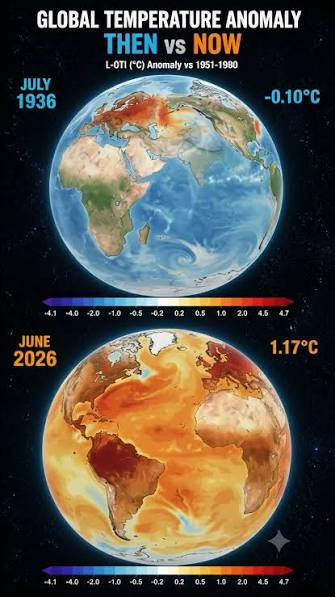
The risks extend beyond land temperatures. Warmer oceans can disrupt marine ecosystemsclimate-change-environmental-risks-2026 and contribute to changes in rainfall and weather patterns. Marine heatwaves can put additional pressure on fisheries and biodiversity, while rising sea levels pose long-term challenges for coastal communities.
Another major development in 2026 is the strengthening El Niño event. In September, WMO said El Niño was expected to intensify to a very strong event and continue into early 2027. The phenomenon can significantly alter rainfall and temperature patterns, increasing risks of drought, flooding and extreme heat in different regions.

For India and South Asia, these changing climate conditions make preparedness increasingly important. Heatwaves, intense rainfall, urban flooding, water stress and agricultural disruption can affect public health, livelihoods and infrastructure. Early-warning systems, climate-resilient urban planning, water conservation and better disaster preparedness can help communities reduce their exposure to these risks.
The developments of 2026 underline that climate risk is not a distant environmental issue. It is increasingly connected with public health, food security, water resources, infrastructure and economic stability.
Scientists and international agencies continue to emphasize that adaptation and preparedness must advance alongside efforts to reduce greenhouse-gas emissions. For governments, businesses and communities, strengthening resilience and acting on reliable climate information will be increasingly important as environmental risks evolve.
Comments